
How to switch accountant or bookkeeper, and why it is easier than you think
Owners put up with slow replies, year-end surprises and unanswered questions for years because they assume moving is a hassle. In practice the handover is routine work for the new firm, and you barely have to be involved.
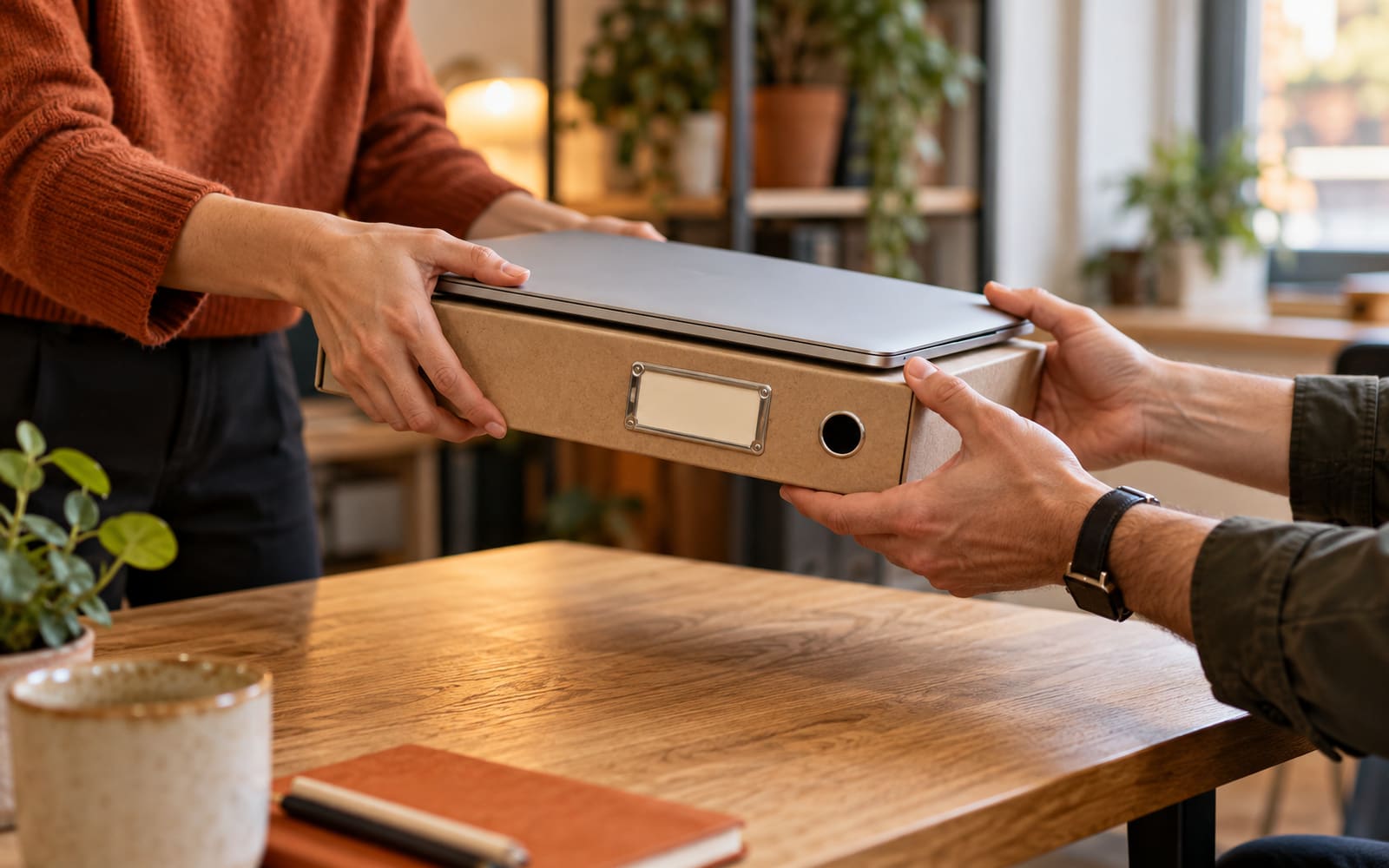
What actually happens
- You say yes. After a conversation about what you need and a fixed fee agreed in advance, you confirm you would like to move.
- We contact your current provider. With your permission, the new firm writes to the old one asking for professional clearance and your records. This is an everyday courtesy between practices, not a confrontation, and you do not need to have the awkward conversation yourself.
- Records transfer. Typically the last set of accounts and tax return, the closing trial balance, payroll and VAT records, the fixed asset register and access to your accounting software.
- Authorisations switch. New agent authorisations are set up with HMRC for each tax, and the Companies House authentication code is passed over, so the new firm can file on your behalf.
- A handover checklist is completed. Deadlines, software access, open queries and anything odd in the old records are confirmed before the switch is treated as done.
When to switch
Any time. A year-end is the tidiest moment, because one firm finishes the year and the next starts clean, but mid-year moves are normal: the records transfer with year-to-date figures intact. The worse mistake is waiting for a convenient moment that never arrives while the service you are unhappy with carries on.
What it costs
Usually nothing to switch itself. Check your current engagement letter for a notice period, and ask whether any work already paid for is finished. Your old firm must return your records; it cannot hold them hostage over a fee dispute, though it can withhold its own working papers. Ask the new firm about any set-up or catch-up fee before you agree; it should be in the quote, not discovered afterwards.
What to look for in the new provider
- A fixed fee with the scope written down, and a clear rule for anything outside it
- The name of the person who will actually do your work and answer the phone
- How quickly they reply, and whether they review your numbers during the year or only at year-end
- Which software they work on, and whether you keep ownership of your data
- Who they are regulated by
This note is general guidance. Our switching page explains how we handle the handover, from as quick as a week. Talk to us, with no obligation.
Published 7 October 2026.